 



 |
|
|
|
|
|
|
|
Bikes Page 4
|
| |
| |
|
Bikes Page 1 Bikes Page 2 Bikes Page 3 Bikes Page 5
Bikes Page 6 Bikes Page 7
|
| |
|
| |
| |
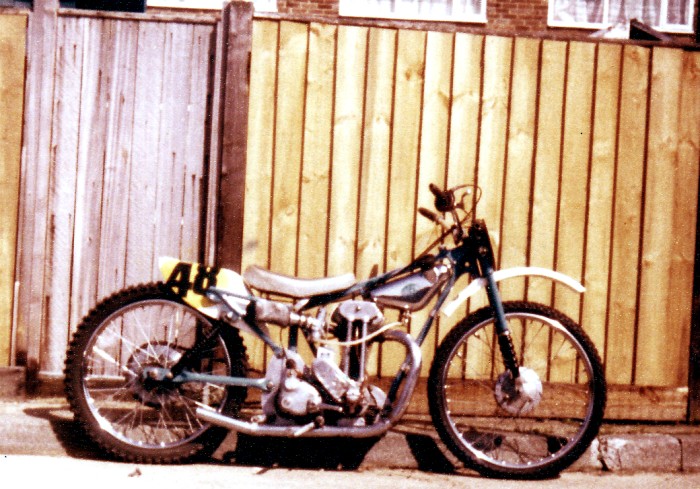
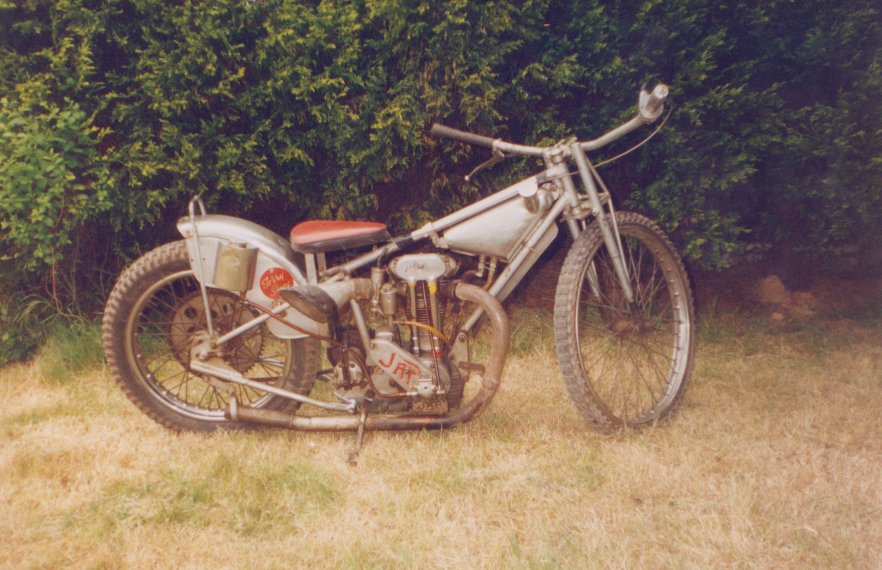
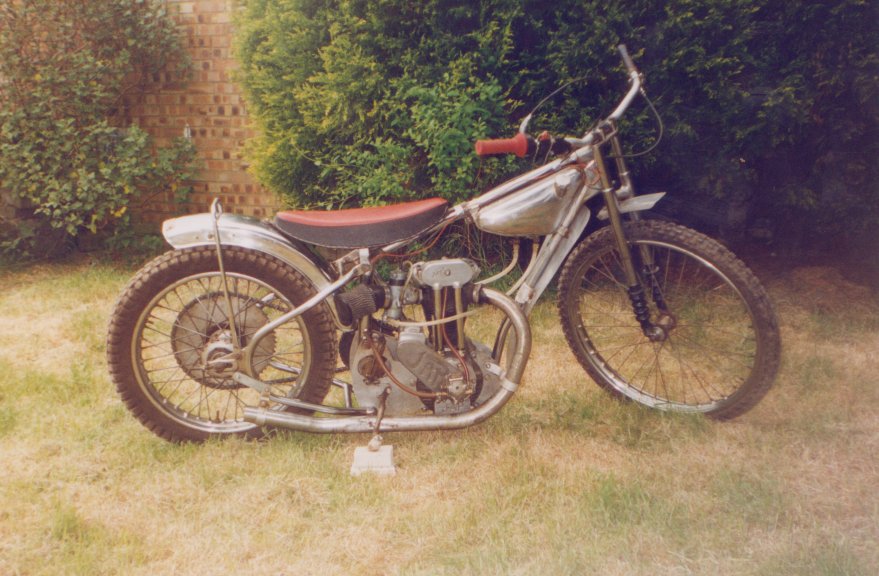
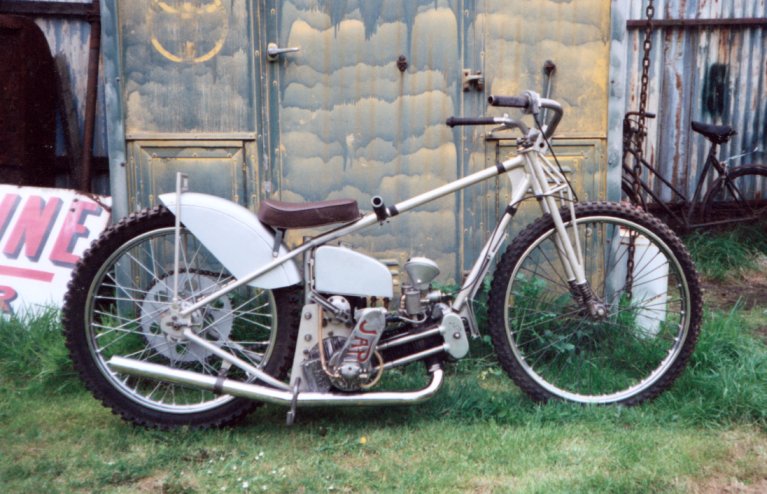
JAP Engined Schoolboy
Grasstrack Machine |
| |
 |
| |
| Alan Painter says: Hi John, great website, as a
speedway fan of many years I find your site very interesting especially
the bikes. Graeme Smiths Hagon Springer reminded me of the JAP. I used to
race a Hagon springer with a 4 b 500cc JAP engine This was basically a
speedway front diamond with a sprung rear end. Mine is pictured with a
22inch rear wheel rather than the 19 inch speedway wheel. I hope
you find this interesting Regards Alan Painter. |
| |
|
| |
| |
| Speedway Velocette |
| |
 |
| |
|
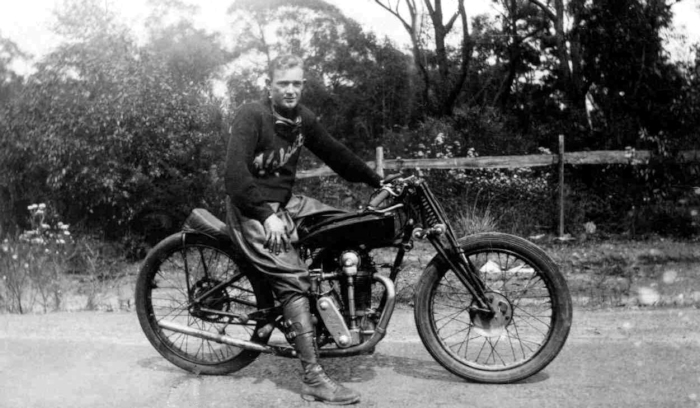
Picture from Mick Alexander taken around 1930.
The bike could be a Velocette KTT. Can you supply any information John
|
| |
|
| |
| |
|
Speedway Fuel
|
| |
| Our sport got underway the UK in 1928. The early riders were
using road machines stripped down to lighten them for extra speed. Ordinary engines burning petrol were used at first. Very
quickly the mechanics and engine manufacturers turned to experimentation and
innovations were brought into dirt track racing. |
| |
According to "speedway Panorama" by Ron Hoare, Ivor Hill toured
South Africa in 1930 with an English team. Because Johannesburg is so far above
sea level, Ivor had problems tuning the bike so he decided to run his bike
on Dope (in the early days quite a lot of machines were still on petrol or
Benzoline.) he went to a firm of chemists to get a formula to run his bikes
which was 75% Methylated Spirit, 20% Benzine, 3% acetone and 2% ether. Running
at about 9:1 compression ratio.
I am told that Sprouts Elder was running his bikes on dope in the late 1920's. |
| |
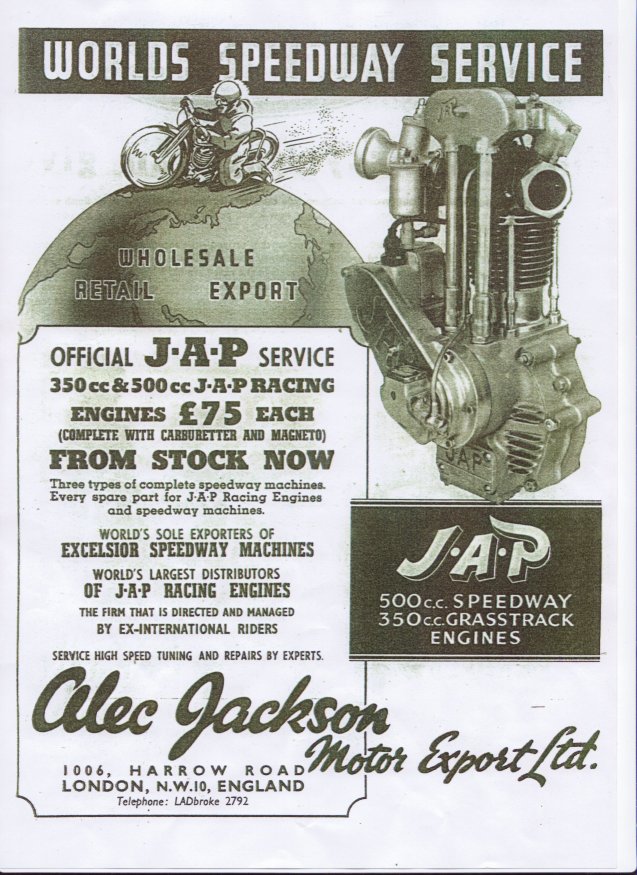
| In 1929 Bill Bragg, the Captain of Stamford Bridge, approached
the JAP stand at the 1929 motor cycle show at Olympia. He was anxious to
obtain a better engine in order to retain his position as one of the top
riders of the time. Within 3 months an experimental engine was delivered to
Bill, who tried it out at Crystal Palace..................The short version is
-- that the engine was an immediate success & after much testing it was tried
out at Stamford Bridge where Bill unofficially lapped at an average of 46mph
which was faster than the track record. Unlike the 4 valve Rudge, the Jap was
a 2 valver with a high compression ratio and it ran on Methanol [wood
alcohol], and ruled the roost for over 30 years. |
| |
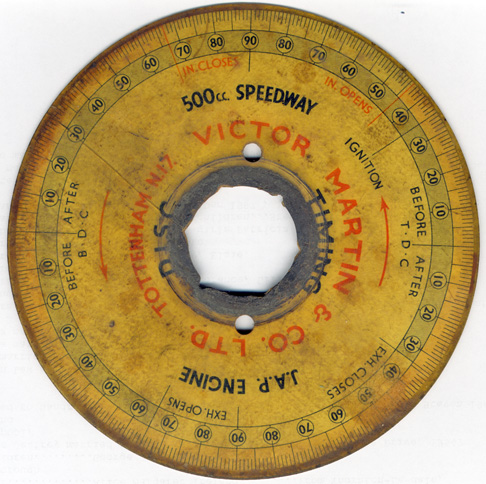
| Fuel was just one thing in the tuning of an engine. Another
vital engine tuning aid was and still is "Timing" here we have below a picture
of a Jap Timing Wheel |
| |
 |
| |
|
Setting up an engine was a lot easier if you owned this disc.
My thanks go to Jeff Crawford, it's owner, for sending me
the picture.
|
| |
|
| |
| |
|
Speedway Tyres
|
| |
 |
| |
|
| |
| |
| AJW/JAP |
| |
 |
| |
|
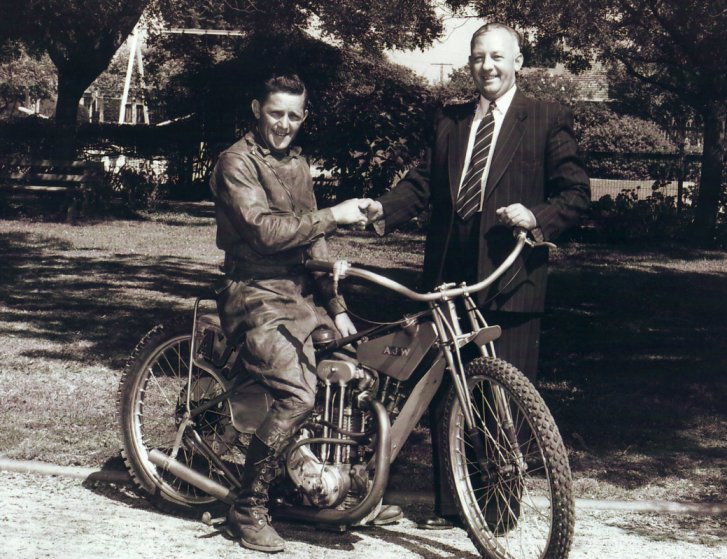
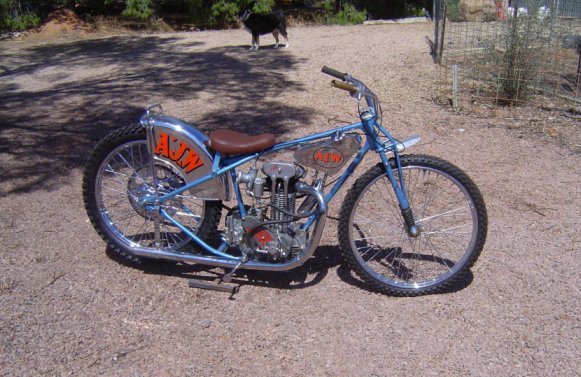
Jack Young being presented with a new AJW in the summer of 1950 by his
Australian sponsor Fred Jolly. AJW used JAP engines in their frames
|
| |
| |
The Bike In
Recent Times |
| |
 |
|
|
|
Neil Burston says: I purchased
the bike a couple of years ago and have restored it to its original condition,
it had been converted to 350cc for long track we call it here (same as grass
track) and the rear wheel changed etc it had been sitting in a shed for a few years.
The engine is now back to 500cc - I got most of the original parts and it has
the correct wheels fitted.
I have not shown the bike anywhere yet but thought you might like some pics for
your site.
I also have the ex Gerry Hussey machine I emailed you about already and a couple
of surprise bikes I am working on right now but I will send more info when I am
more progressed with the restorations.
Neil Burston
South Australia
Thanks Neil the Jack Young AJW looks great. These surprise bikes sound interesting.
How about a clue?
Neil has been in touch again, he has the following
declaration about the "surprise" bike.
|
| |
| |
| Mitchell Frames |
| |
 |
| |
|
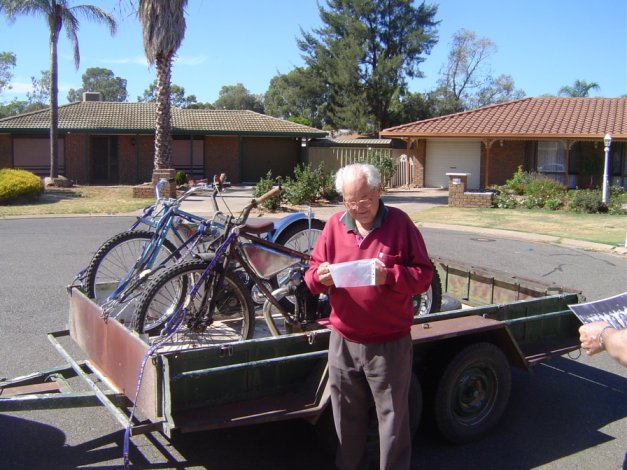
Lindsay checking the bike's docs
|
| |
 |
|
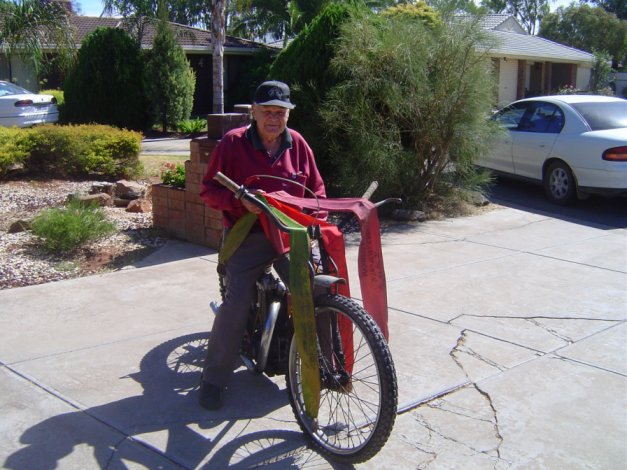
Photos Courtesy of Neil Burston
|
| |
 |
|
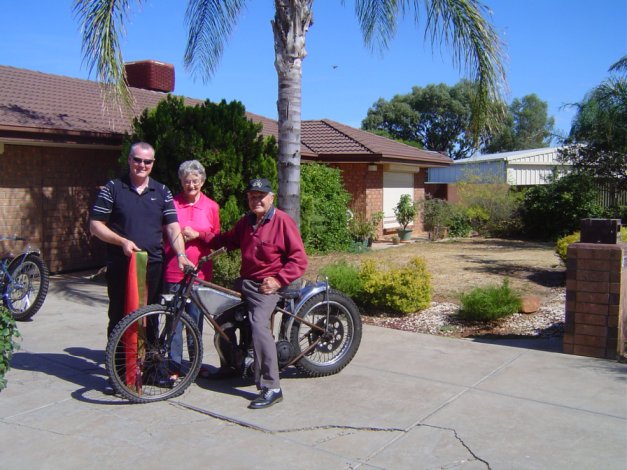
Photo Courtesy of Neil Burston
|
| |
|
Lindsay Mitchell with wife Thelma and their son Graham at home in
Adelaide, South Australia
|
| |
| Neil says: I imported the Mitchell Japs in
January 2008 after they had sat in a shed in Sheffield since 1959-1960 – they
were sold by Frank Varey to the former owner who tried riding himself but parked
the bikes shortly after till now, when he was moved into an old peoples home and
they were sold by his family. |
| |
| I am going to go public later this summer
season and display the bikes at the running of the Jack Young Cup at Gillman
speedway in Adelaide as the 51 bike is well on the way to being finished. Once
the cat is out the bag the 51 bike is going to the Birdwood Museum here in South
Australia. |
| |
| The other bike is also a Mitchell and
according to Lindsay was probably the Edinburgh track spare in 49 which was
ridden by Clem at times and Jack Young when he first come to Scotland. He has
been unable to positively identify it yet because it was bought in many pieces
and is still in the same state away being plated. |
| The bike is also copper plated and press
reports at the time said Young won the title on a rusty looking bike. |
| |
| I have attached documents and pictures for
you note the rear wheel in the pics is a 19 when in 51 it had a 22” – it was
swapped when 22s were banned in 55 I think it was - but the rest of the bike has
stayed pretty much as it was, I have re fitted a 22” now which I got in a pile
of parts with the bikes- I had to remove a pile of rust first and get the rim
reworked. |
|
I can supply more pics for you for your
site once the cat is out the bag and the bikes are more secure. |
| |
| John Skinner says: I hope you can send more pics of what is undoubtedly Jack Young's 1951
world championship winning bike and the other machines too. |
| Clem and Lindsay built the frames on which Jack Young won his
World Titles. Known as the Mitchell frame, everybody wanted one so
they sold the copyright to Victor Martins of Tottenham who were the JAP
Agents. The frame became the Martin Mitchell. |
| |
|
| |
| |
|
The Rotrax JAP
|
| |
 |
| |
|
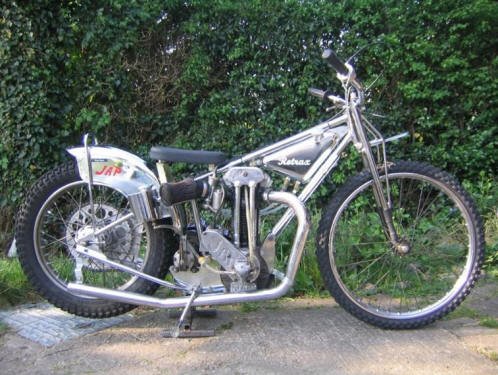
Mk 1 Rotrax Jap. John says: Rotrax JAPS are the
most eye-catching speedway machines of all time. After watching a meeting,
as a boy I used to wander through the Brough Park pits (Newcastle) in the 1960s
for close up meeting of the riders/autographs and to see their bikes. How
I wish I had, had a mobile phone with a camera app as pictures of the Rotrax
JAPS in use would have been captured by me. But no mobiles or digital
cameras in those days. I can only tell you therfore, that Rotrax JAPS were
the best looking bikes in our pits! Then there was the heady smell of
Castrol R which hung in the air around the stadium! Bring back a Rotrax
replica alright! with modern components, the sport would look much better
|
| |
|
| |
| |
| The Simandl |
| |
 |
| |
|
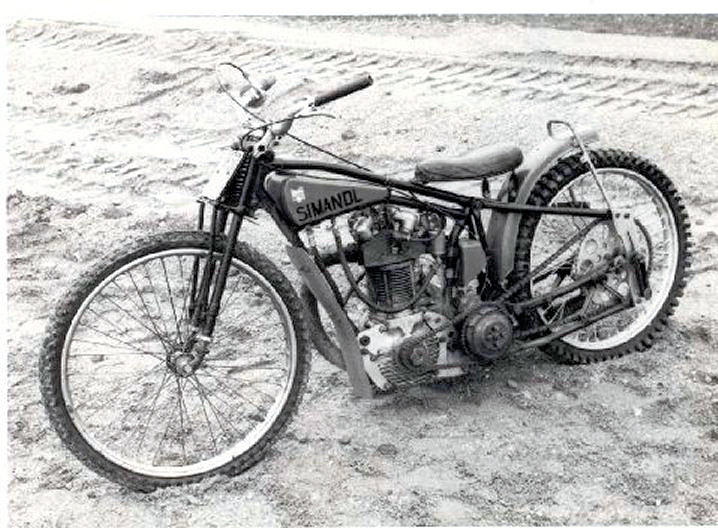
A rare bike and certainly one I never heard of "The Simandl" It came
out of Czechoslovakia and seems to be in a
Rudge frame. In those days "Health & Safety" regs were not an issue.
The bike would have been used without any guards on the chains. Many
injuries would have happened as a result. My thanks go to Jeff Dooley for sending the picture to me and if you can supply some
info don't hesitate email me today
John
|
| |
|
| |
| |
| Kyokuto 1965 |
| |
 |
| |
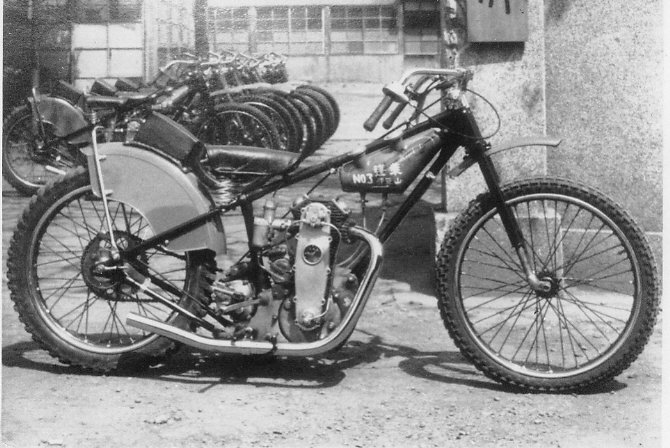
Giffy has sent the picture shown above and the description that follows is his
too Please find a photo of a Japanese speedway bike
attached. It dates from 1965 and the company that made them, Kyokuto, contacted
a local bike dealer here in New Plymouth, NZ, to see if he wanted to be an
agent. We still have the brochures and stuff. They made a 350 and a 500 but I
think they were quite a low compression motor.
Thanks Dave |
| |
|
| |
| |
| Velocette 400cc |
| |
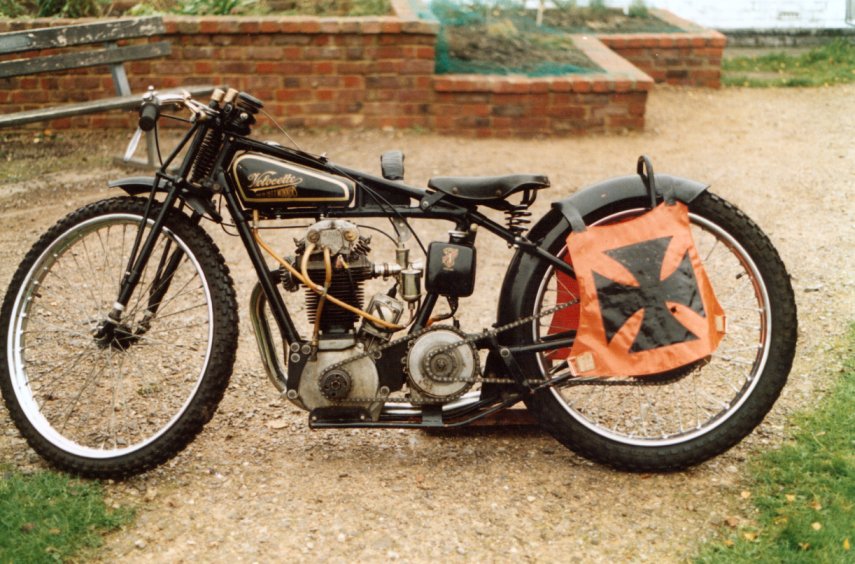
| Veloce Ltd., based in Birmingham had a stab at
producing a dirt track bike pic shown below |
| |
 |
| |
|
Velocette. For some reason the company made 400cc speedway bikes which this one
appears to be. I wonder how competitive they were amongst the 500cc
competition? Why did you not supply a 500cc engine Veloce? Did you
not want to be competitive?
|
| |
|
| |
| |
|
AJS
|
| |
 |
| |
|
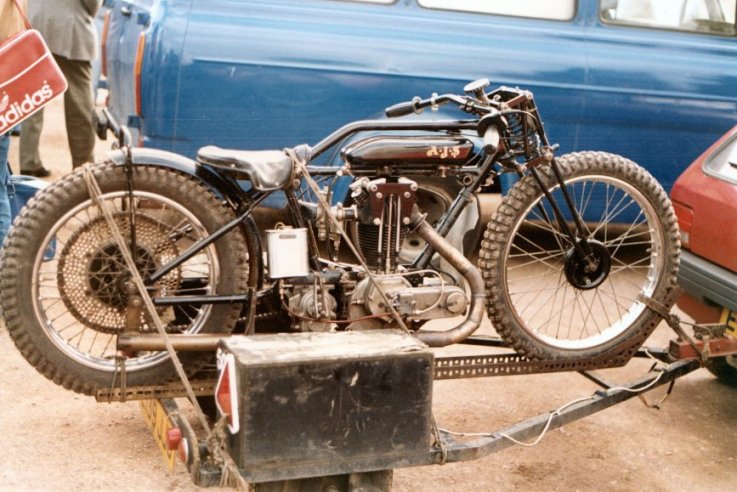
John says: AJS! I have no details of this machine please email if you can help
John |
|
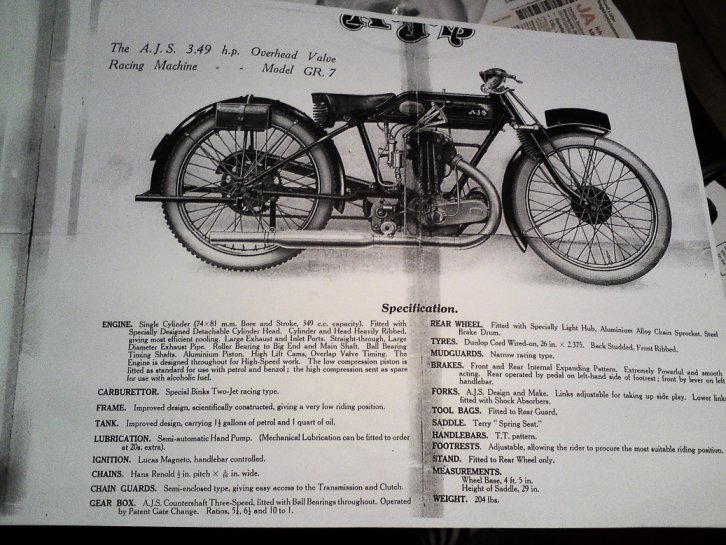
Andreas Raab says: Here are some pictures of AJS
Speedway bikes
|
| |
 |
| |
| |
|
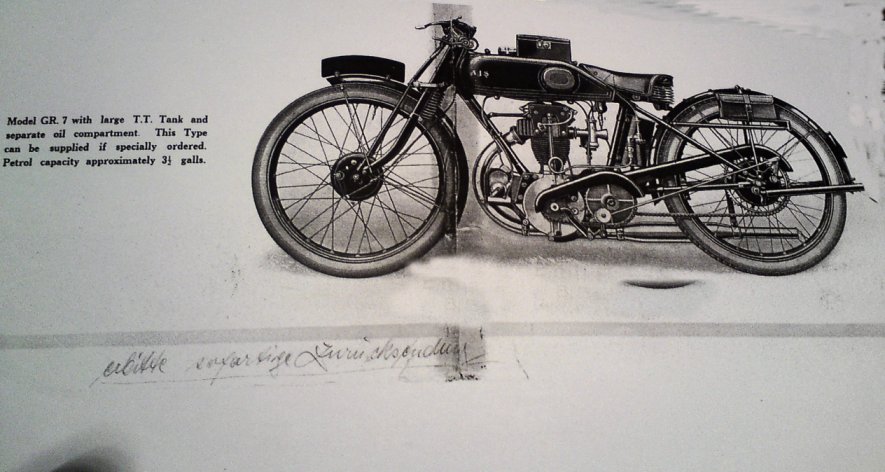
The AJS GR7
|
| |
 |
| |
| |
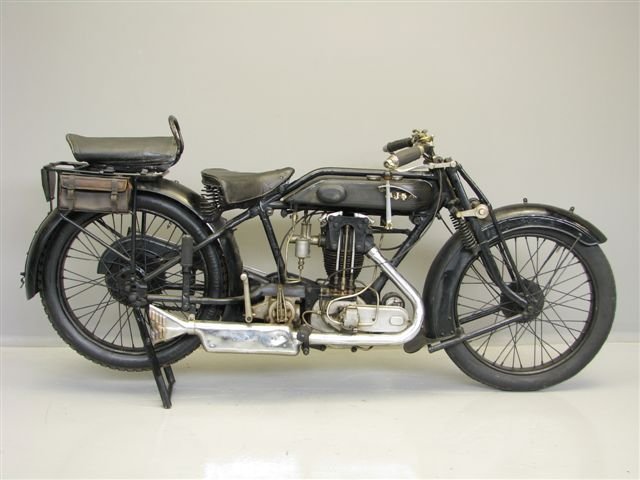
Another AJS!
A Road Going
GR7
With A TT Tank |
| |
 |
| |
|
| |
| |
Possible Hybrid Machine
Harley/AJS? |
| |
|
|
| |
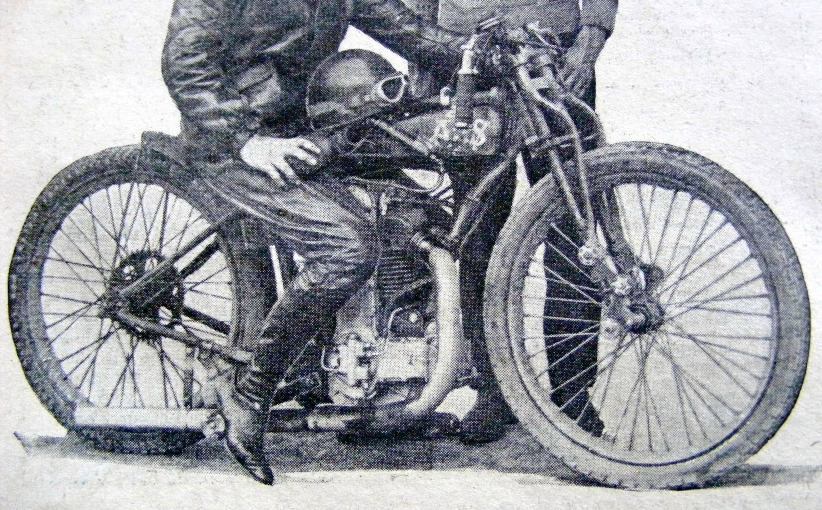
| G8? I cannot say that I am aware of this bike
being used on our dirt tracks but it does look likely.
A potent looking AJ obviously in speedway trim. The tank appears to read AJS.
I will ask Andreas. |
|
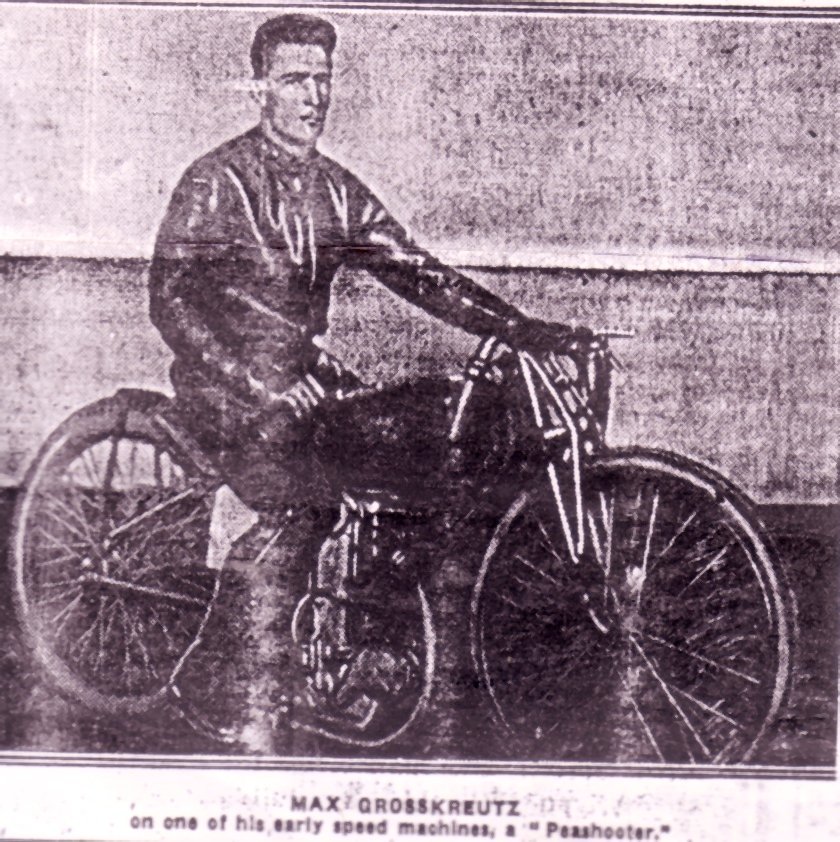
Andreas Raab says: A Harley Davidson "Peashooter" with Max Grosskreutz but the engine
looks like an AJS R10 (1930). |
| |
|
| |
| |
|
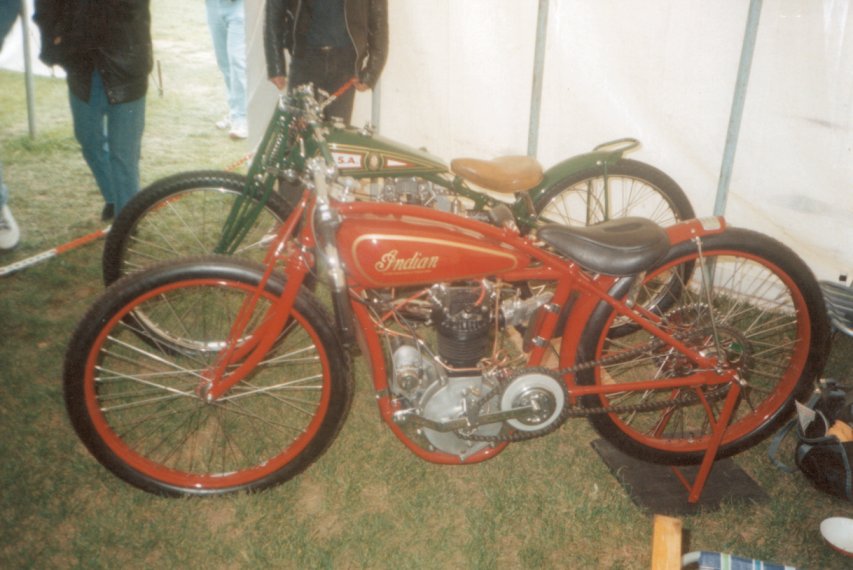
An Indian With A BSA In The Background
|
| |
 |
| |
|
Dave Gifford has been in touch about the Indian
shown above he says: Now on page 4 of your Bikes site is a picture
of a 20's Indian and is it the bike once used by Kiwi Spencer "Smokey" Stratton?
I understand that Stratton became Promoter or team manager at Newcastle after he
quit riding and was killed in a road crash coming back from a meeting at Workington? Can you verify or give me any additional info? So! can anyone
shed any light email me John |
| |
|
Smokey, along with Stewie St George were probably our very first riders, they
both rode for Johnnie Hoskins at West Maitland where it all started and I have
an idea they came to England with Johnnie but we know very little about
them. Cheers the noo, Giffy
I will ask around Giffy and let you know if we come up with anything John
|
| |
| Unknown writer says:
There was an obituary in Speedway News June 11 1938. Basically confirms what
you write, but doesn't specify the town where he crashed. He had been team
manager of Johnnie Hoskins' Div.2 track at Newcastle. Before coming to England
in 1928 he had crashed at Newcastle, NSW and been unconscious for 23 days. The
article mentions his love of the "Indian" bikes. |
| Unknown writer says: I have a newspaper report from Monday 6th June 1938 which says that Spencer
Charles Stratton, aged 33, was killed in an head-on collision between two cars
at Brigham, near Cockermouth (Cumberland) on Saturday night (4th June 1938). |
| Unknown writer says: Three companions, Canadian riders were travelling with Stratton, were
seriously injured, as were the occupants of the other car (John Roan, of Cockermouth, and G.O Smith, of Whitehaven), Stratton's injured companions were
Ellwood Stillwell (28) Bruce Venier (21) and Robert Sparks (23), The five
injured men were taken to Cockermouth hospital with severe head and face
wounds. |
| John says: Yes Ellwood Stilwell, Bruce Venier
and Bob Sparks all rode for Spencer "Smokey"
Stratton at Newcastle. |
| |
| There is more about Spencer on my other website
Defunct Speedway on the
first Miscellaneous page. |
| |
|
| |
| |
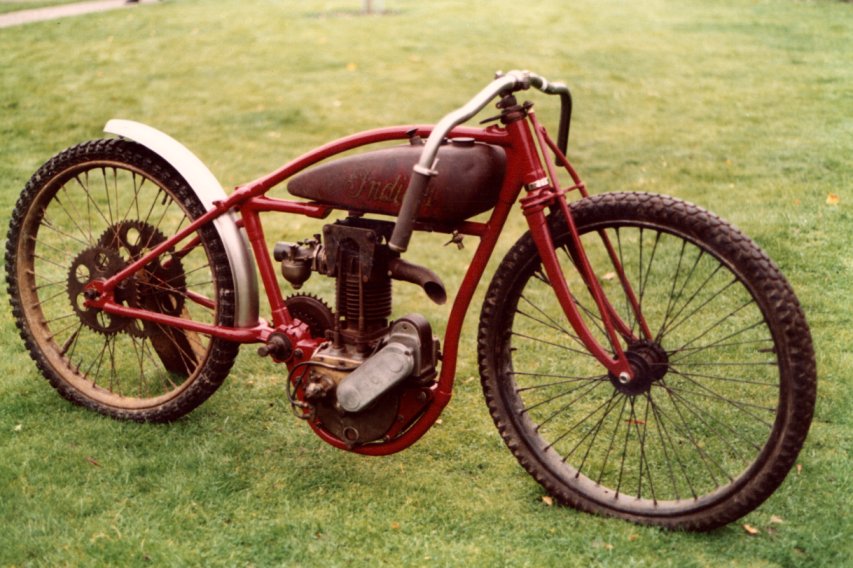
| Dirt Track Indians |
| |
 |
| |
| A 1920s Indian in need of some TLC, a saddle would be my first part purchased!
The Indians were almost sculptures in steel. I have seen
works of art with less appeal. |
| |
| |
|
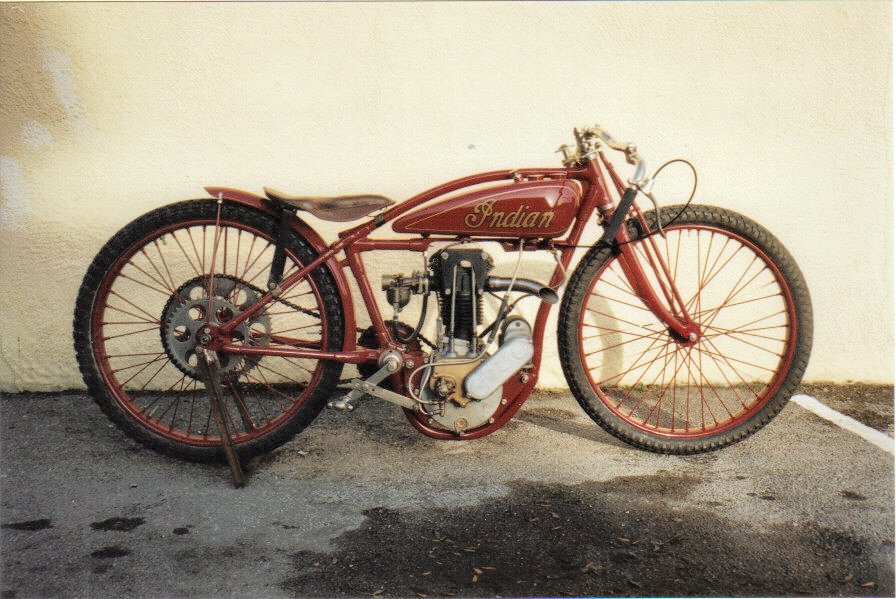
Richard Forshaw's Indian |
| |
 |
|
Courtesy of Reg Fearman
|
| |
|
Reg Fearman says: This picture was part of a Christmas card
received some years ago from Richard Forshaw who lived near Poole and had the
Aston Martin agency. He had a collection of some 30 old machines and this was
one of them - all restored. He died suddenly and his wife gave them to a Museum
at Yeovil on loan.
|
| |
|
| |
| |
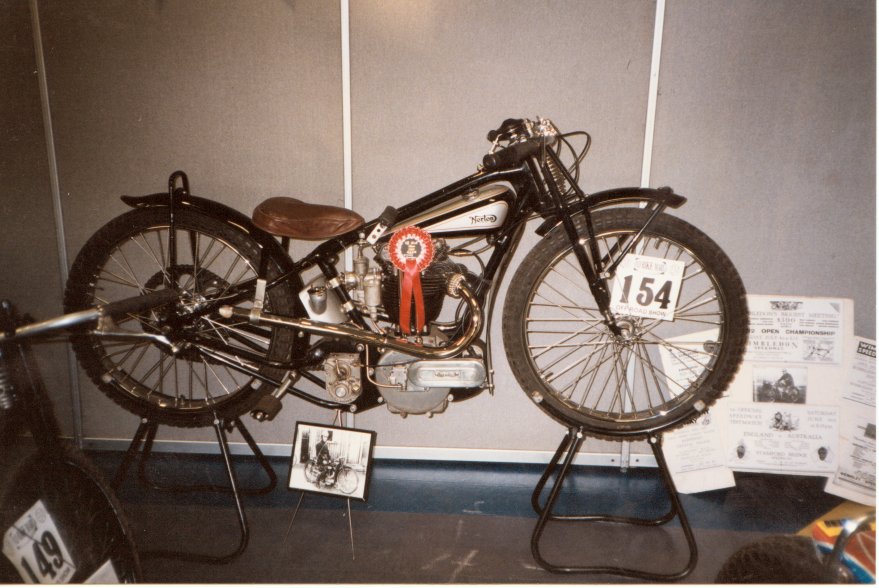
| 1930 Dirt Track Norton |
| |
 |
| |
|
A 1930 dirt track Norton. Who knows what might have been
if Norton had channelled some of its road racing efforts into speedway
|
| |
|
| |
| |
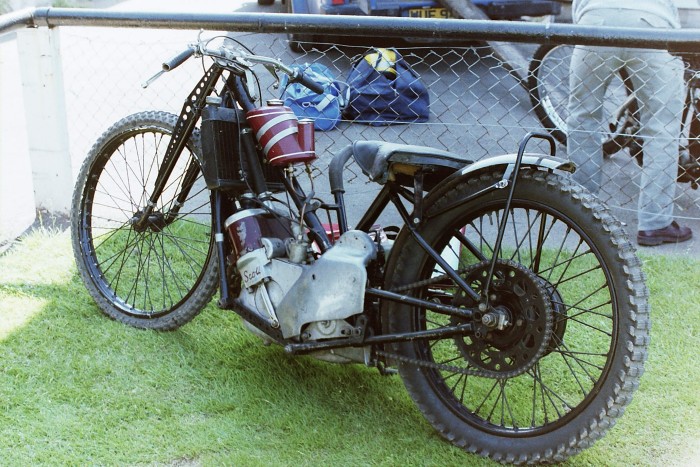
| Scott |
| |
 |
| |
| Water cooled two stroke. A curious looking
bike and I wonder about the radiator. Just how robust the radiator
was I will never know, but I presume it would fare badly in a spill |
| |
|
| |
| |
|
Harley Davidson Peashooter
|
| |
 |
| |
| |
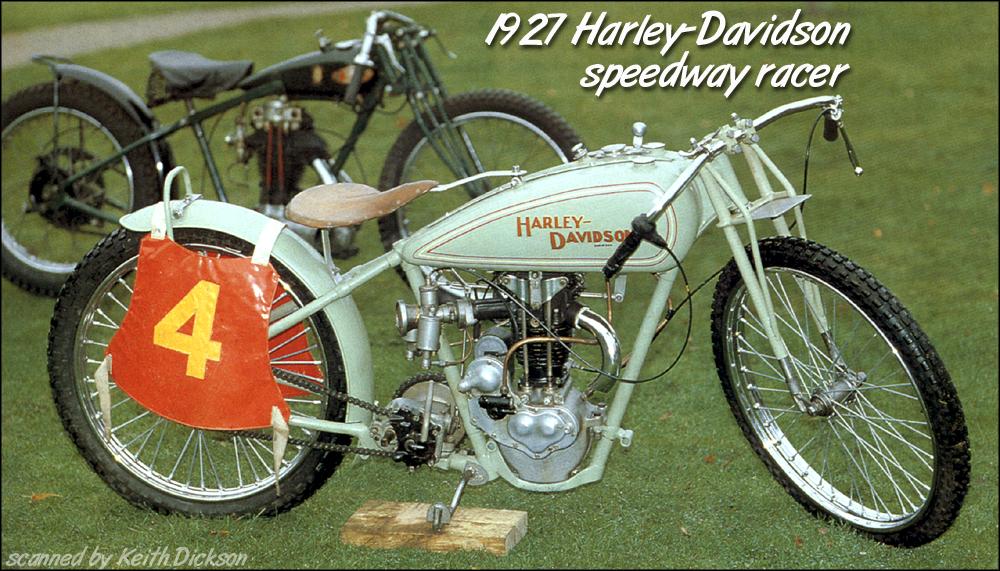
| 1927 Peashooter |
| |
 |
| |
|
Can you say where this Peashooter was used in 1927, Australia
or USA? That is a BSA in the background
|
| |
| |
|
A "Used" Harley Davidson
Peashooter
|
| |
 |
| |
|
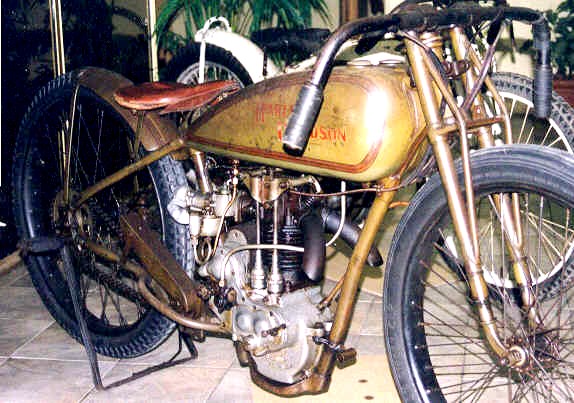
This Harley Peashooter is interesting as it looks as if it has been well ridden,
oil leaks were very common with early motorcycles
|
| |
|
| |
| |
| 1928 Scott |
| |
 |
| |
|
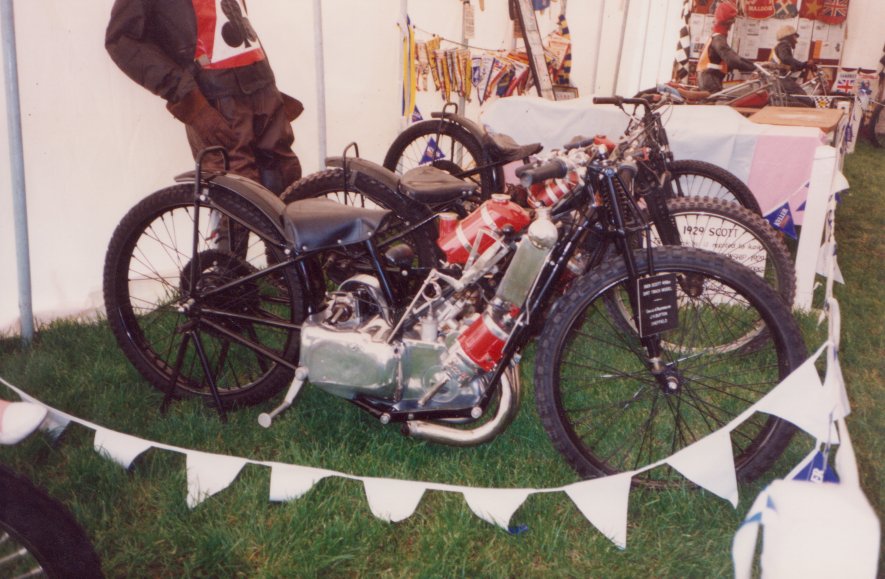
1928 Scott, the only 500cc two stroke engine used in speedway. The most famous
rider to use a Scott was Frank Varey
|
| |
|
| |
| |
|
1929 James V Twin |
| |
 |
| |
|
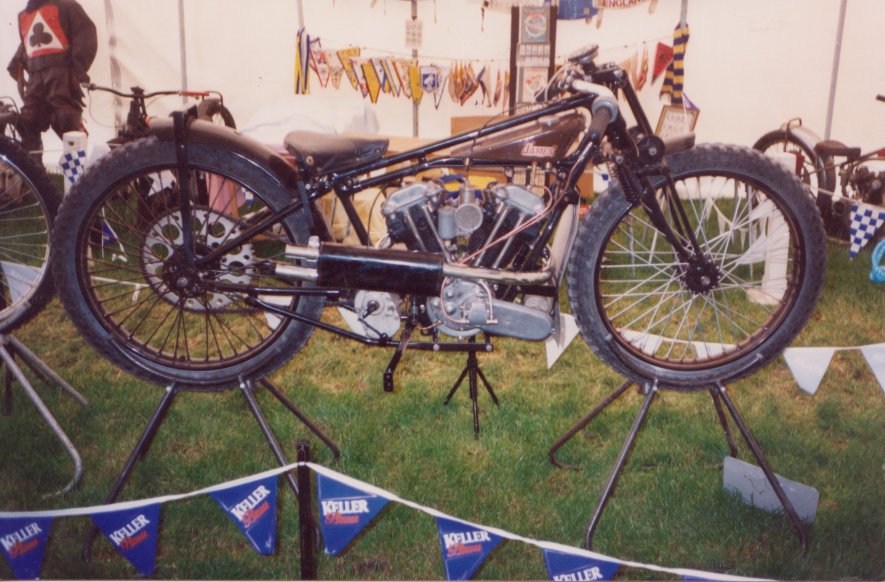
1929 James V Twin. Can anyone say how successful these bikes were?
John
|
| |
|
| |
| |
|
Douglas
DT
|
| |
 |
| |
|
| ¬ |
| |
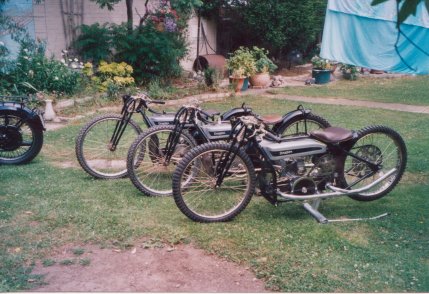
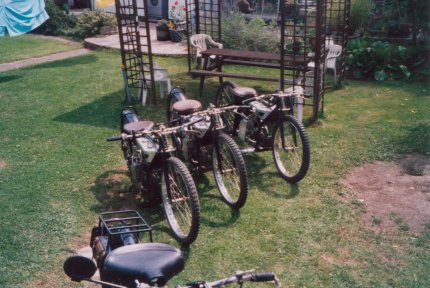
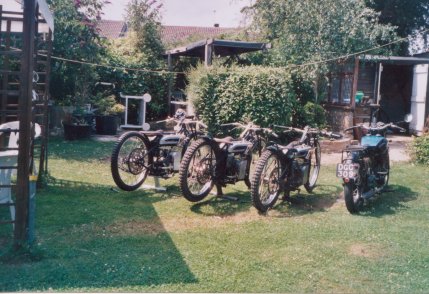
| Terry Stone's Douglas Machines |
| |
 |
| |
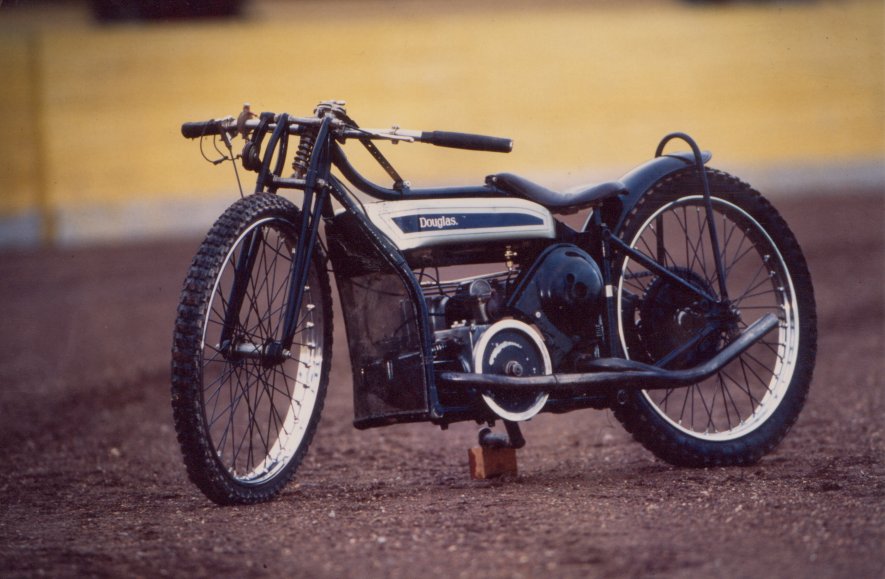
| 3 Douglas DT machines, they are owned by Terry Stone a member of the Men In
Black and VSRA. The bikes are in tip top shape and ready to race in Men in
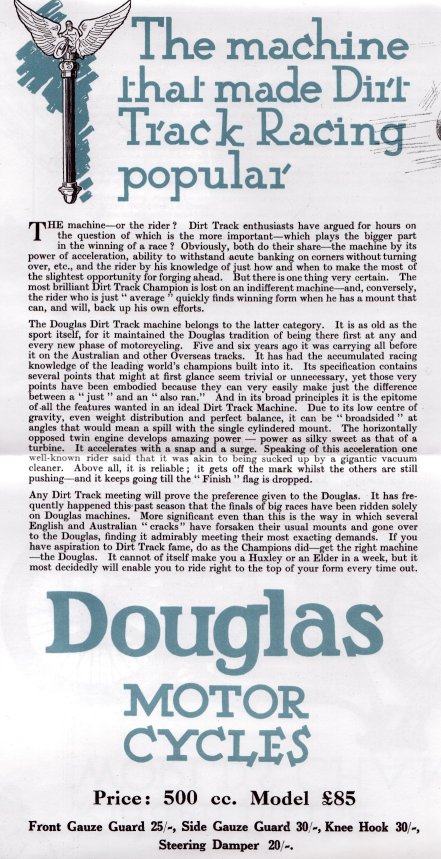
Black events. The Douglas was the only Dirt Track / Speedway bike to have flat twin engines.
The low centre of gravity and longer wheelbase gave rise to "leg trailing" |
| |
 |
| |
| The Duggie was an Immense early machine and the most successful twin cylinder
engine that speedway has ever known. Maybe modern day manufacturers Jawa
and GM should experiment with a modern version of the Douglas. |
| |
|
| |
| |
|
Rudge
|
| |
 |
| |
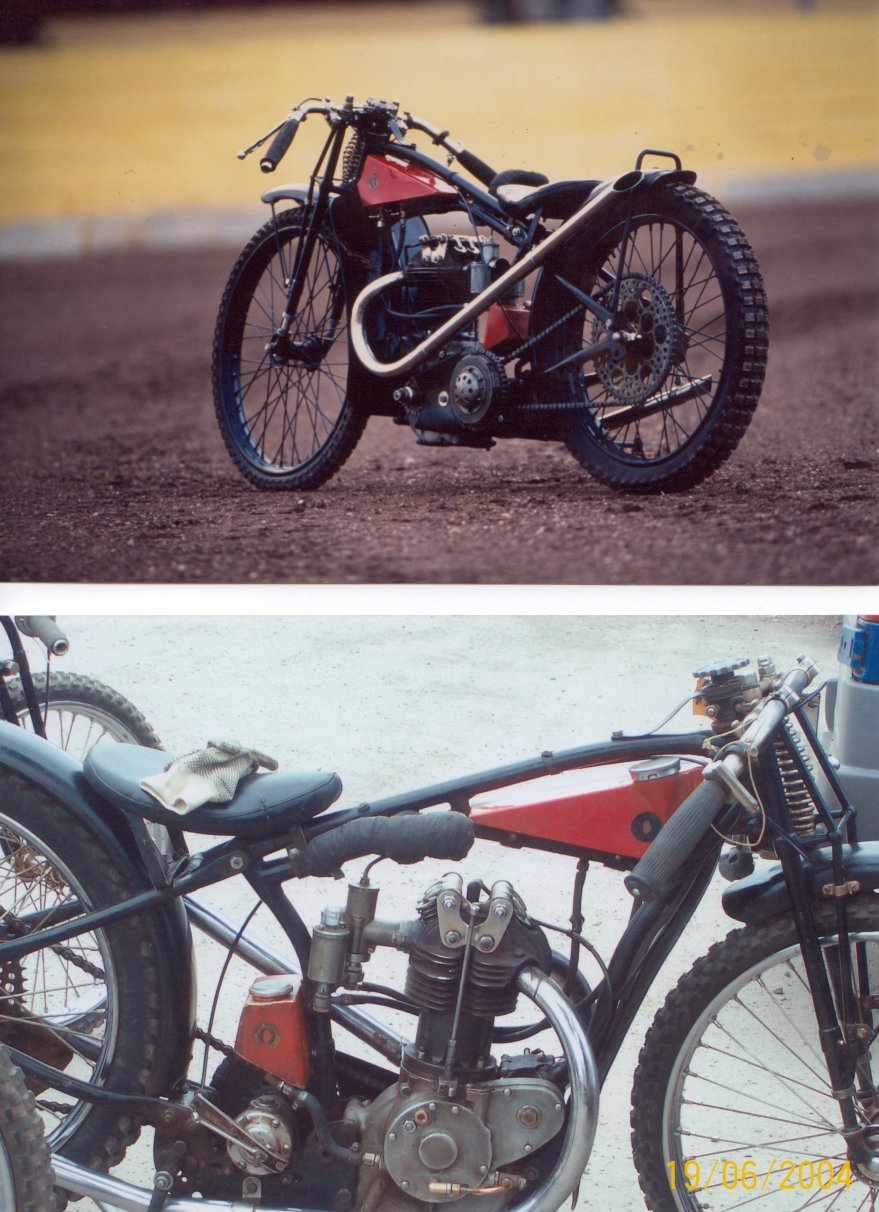
| The famous red tank says that these are Rudge's. Top picture is of a 1934 model and
the other is from 1928. That was it as far as Rudge and speedway go 5 or 6 years
of manufacturing speedway machines although a few bikes would have been in
use throughout the reminder of the 1930's. I am always surprised that
engines such as this Rudge have their rocker gear exposed. Surely
they would have been better enclosed in a rocker box and filled with
engine oil! |
| |
 |
| |
|
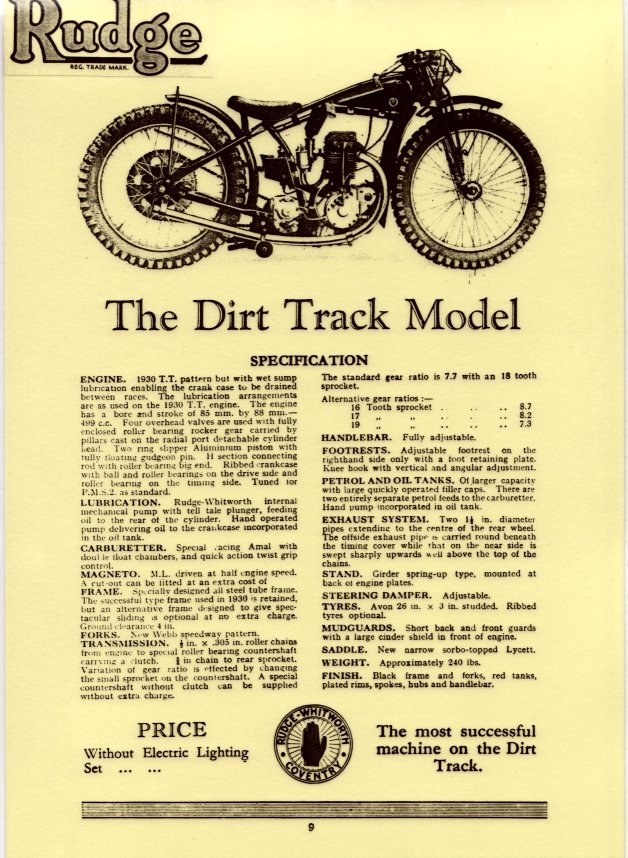
These are the specifications of the highly successful but all to brief reign of
the Dirt Track Rudge
|
| |
|
| |
| |
|
1928
OEC
Osbourne Engineering Company
|
| |
 |
| |
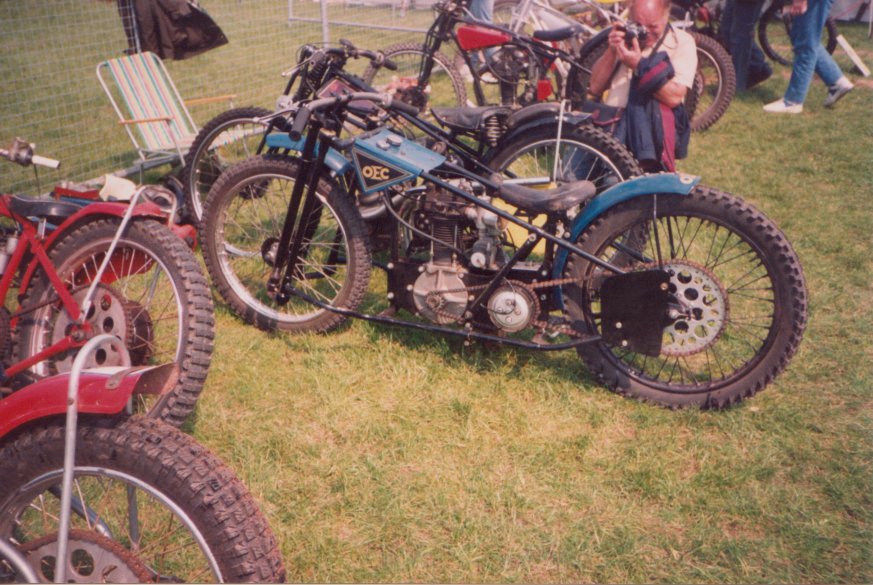
| I don't know much about the OEC apart from them
looking different from other dirt bikes of the era. A rare machine. OEC stands for Osbourne Engineering Company. I am told by
Terry Stone that there are only 2 left, of this model in the world. The other
one is in New Zealand. I wonder what the black rod is running parallel
with the ground. Surely that would hit the ground on the corners. |
|
Jim Henry Says: Hi John. The OEC you show on your web site
and comment about the bar near the bottom of the machine is a very rare bird. It
is a centre hub steer machine and is not like any other bike you will see.
I've sat on the bike a few times and it is difficult to take in just how the the
mechanism works. It is an amazing bit of engineering. It used to belong to
Ivor Thomas (Barry's brother) and I saw Ivor ride it at a BMF Rally at
Peterborough. I'm sure MCN magazine published a photo of Ivor using it |
| |
| |
| A Beautifully Restored
OEC JAP |
| |
 |
| |
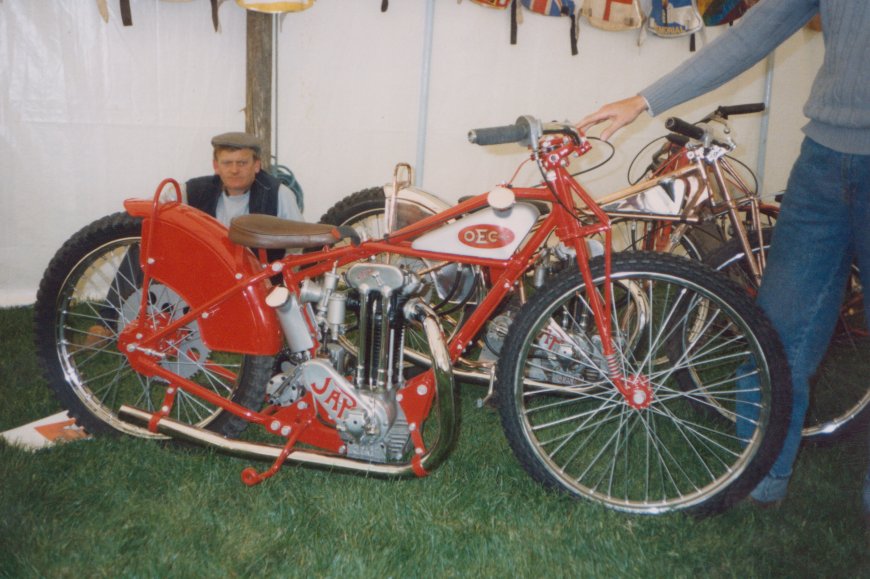
| A beautifully restored OEC JAP. If you
want an incredible old machine go for a JAP in a variety of frames. Is
that Ginger Abigail sitting behind the machines? |
| |
|
| |
| |
Terry Stone's
1960 Rotrax
JAP |
| |
 |
| |
| Terry Stone's 1960 Rotrax JAP. Arguably the most successful Speedway machine
of all time? or is that the JAWA! Tottenham built JAPs
dominated world speedway for such a long time. |
| When looking at pictures like this one of the Mighty JAPS. I
am always fascinated by the variety of big cow-horn handlebars the bikes
had, were they a fashion item? No! I didn't think so, I asked Bob
Andrews about the big bars and he says:
Handlebars:- well in the JAP days you had to have
bars that were up to 3 ft. wide. Because JAP bikes were very hard to
turn. The bikes were a sprint bike just to go in straight lines, so when
you got to a bend You had to “flip” the throttle to break traction.
And get it sliding, on small tracks it was an art. That’s why it took 3
to 5 years to master the bike. Then came JAWAs/ESOs. And the frame they were in
just seemed to turn on their own. So riders mastered the art quickly,
you saw new names spring up very quickly. So you didn’t need wide bars.
In fact the way I saw it. Riding the JAP ( which I loved,
as I had throttle control.) I used to have to think where my back wheel
was pointing, to steer it well. Then on the Jawa’s all you had to do was
steer the front wheel,
Much the same now with these hi revving Lay
Downs.
Bob.
|
| John says: Thank you Bob |
| |
 |
| |
| |
Late JAP Engine
In A
JAWA Frame |
| |
 |
| |
| The above machine, I
am told that the frame is a Jawa from 1970's with the last of the JAP engines
from around 1980. I am surprised if it is true as I didn't know JAP were
still in business as late as that. So come on then put me right
John |
| |
| |
| A Laydown JAP |
| |
 |
| |
|
This JAP has been converted to a "Laydown". The idea is not new I
wonder if the idea was ever patented if so someone would have made a wad
of cash! The exhaust pipe would have been specially made for this
bike as a one-off
|
| |
|
| |
| |
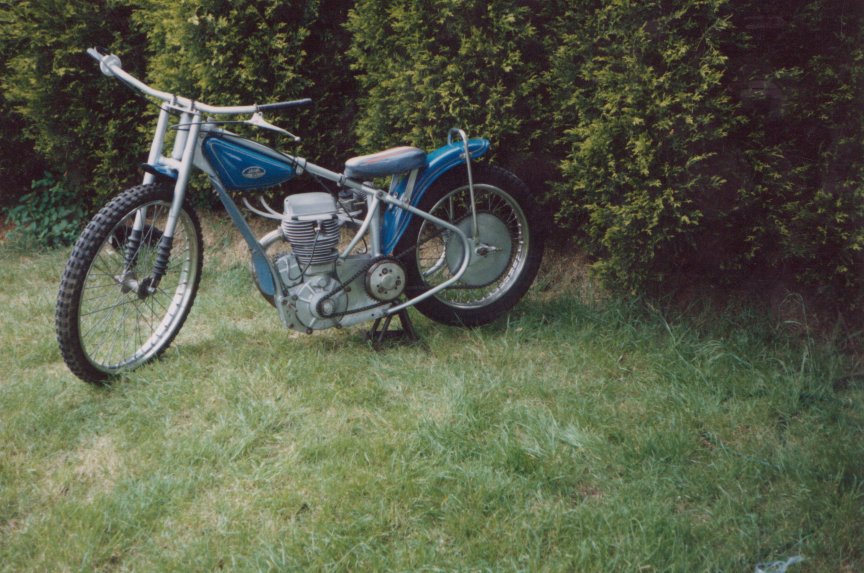
| Jawa 1968 Or 1969 |
| |
 |
| |
| Jawa 1968 or 69. These Czech built bikes took over from the JAP. Mainly because
the Jawa was cheaper, easier to maintain and last but not least, it was a whole
lot easier to master than the JAP. |
| Most of the pictures shown above came from Terry
Stone. Thank you Terry for sharing them with us. |
| |
|
| |
|
Bikes Page 1
Bikes Page 2
Bikes Page 3
Bikes Page 5
Bikes Page 6
Bikes Page 7
|
| |
|
The
contents of this website are © and should not be produced elsewhere for
financial gain. The contributors to this website gave the pictures
and information on that understanding. If anyone has any issue or
objections to any items on my website please email me and I will amend
or remove the item. Where possible credit has been given to the
owner of each item. |